 TCB Pay Portal
 TCB Pay App
 ACH
Processing
ACH
Processing TCB Pay Issuing
 Alert & Notifications
 TCB Pay White-Label
 Integrations
 IT Solutions
 About
Us
About
Us Pricing
 Blog
Blog Security
 System Status
 Contact Us
 Sign in to TCB Pay Portal
 Sign in to TCB Pay Issuing

 Back to all articles


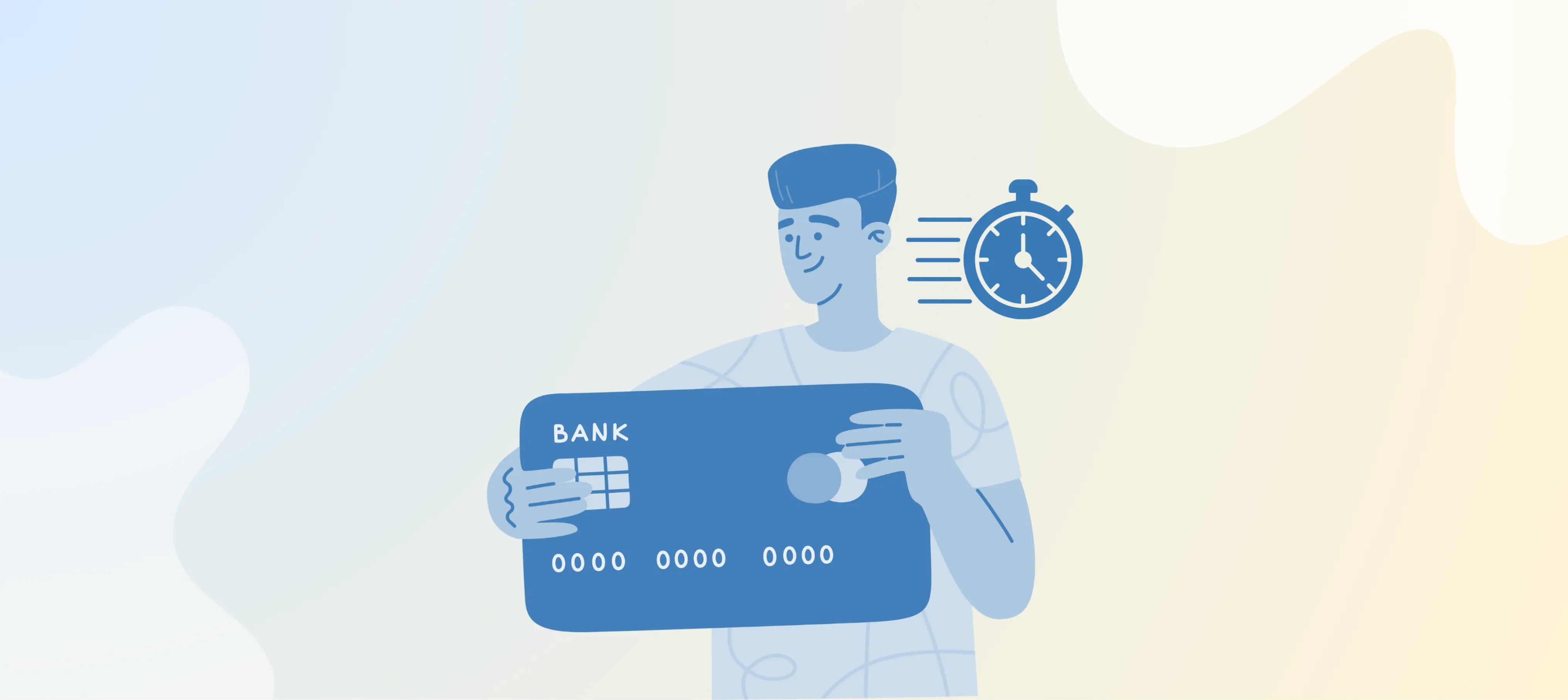
In 2026, delayed visibility in payments is no longer tolerable. It directly affects cash flow accuracy, risk exposure, and operational control.
For many businesses, payment data still arrives hours or days after transactions occur. Batch reporting, delayed settlements, and fragmented dashboards remain common, even as transaction volumes increase and regulatory expectations tighten.
The result is a system where teams make decisions based on incomplete or outdated information.
At scale, that delay becomes expensive.
Why Payment Visibility Has Become Critical
Payments are no longer a back-office function. They are operational infrastructure, directly influencing how businesses manage money, risk, and growth.
Real-time payment visibility impacts:
-
Cash flow forecasting and liquidity planning
-
Fraud detection and response speed
-
Chargeback monitoring and prevention
-
Compliance oversight and documentation
-
Day-to-day operational decisions
When visibility lags, all of these functions shift from proactive to reactive. Issues are identified only after they have already escalated.
How Batch Reporting Breaks at Scale
Batch reporting was built for a slower payments environment. Transactions were grouped, processed, and reviewed after the fact, often once per day.
That model no longer works.
When reporting is delayed:
-
Fraud patterns are detected too late
-
Chargeback ratios rise before teams can intervene
-
Cash positions are misread
-
Risk exposure accumulates unnoticed
A merchant can appear stable on yesterday’s reports while real-time activity tells a very different story.
This gap is one of the most common reasons fast-growing businesses face unexpected account reviews, processing limits, or sudden restrictions.
The Risk Impact of Delayed Payment Data
Fraud does not operate on a reporting schedule.
Attackers test systems continuously, often in short bursts designed to stay below static thresholds. When monitoring relies on end-of-day or next-day data, abnormal behavior blends into normal transaction volume.
Card networks such as Visa and Mastercard emphasize early detection, transaction-level monitoring, and continuous oversight as core requirements for maintaining acceptable fraud and chargeback ratios.
Delayed visibility turns fraud prevention into forensic analysis.
By the time anomalies appear in reports, the financial and reputational damage has already occurred.
Cash Flow Suffers Without Real-Time Insight
Cash flow decisions depend on knowing what has actually happened, not what will be reconciled later.
Delayed settlement and transaction data lead to:
-
Overestimating available balances
-
Late responses to declines, reversals, or disputes
-
Poor timing of payouts or transfers
-
Increased reliance on buffers instead of precision
For businesses managing issuing programs, payouts, or multiple merchant accounts, this lack of clarity creates unnecessary financial friction.
Institutions such as the Federal Reserve have highlighted the importance of faster payment rails and real-time data to support liquidity management and systemic stability.
Visibility is no longer a convenience. It is a prerequisite for control.
The Operational Cost Teams Absorb Quietly
Delayed payment visibility does not only affect finance teams. It impacts the entire organization.
-
Customer support operates without full transaction context
-
Operations teams reconcile across disconnected tools
-
Compliance teams document issues after the fact
-
Leadership makes decisions using lagging indicators
Instead of a single source of truth, teams rely on spreadsheets, manual checks, and assumptions.
Over time, this creates operational debt.
Operational debt rarely causes immediate failure, but it increases error rates, slows response times, and raises scrutiny from banks and regulators.
Real-Time Visibility Is No Longer a Premium Feature
Real-time transaction data was once positioned as an advanced capability, reserved for large enterprises or specialized platforms.
In 2026, it is the baseline.
Modern payment infrastructure provides:
-
Live transaction feeds
-
Instant alerts on abnormal behavior
-
Up-to-date balances and settlement status
-
Unified views across processing, issuing, and payouts
Without these capabilities, businesses operate blind during the moments when speed matters most.
According to the Bank for International Settlements, modern payment systems must support immediacy, transparency, and continuous monitoring to meet current risk and compliance standards.
Visibility Is an Infrastructure Decision
Payment visibility is not a dashboard feature. It is an architectural choice.
Stacks built on batch processing struggle to deliver real-time insight, regardless of how polished their interfaces appear. By contrast, modern systems are designed so that data is streamed, not summarized, and evaluated continuously.
This difference is critical for high-growth and high-risk businesses, where tolerance thresholds are narrow and delays are costly.

 Free Demo with Chris